 Traffic
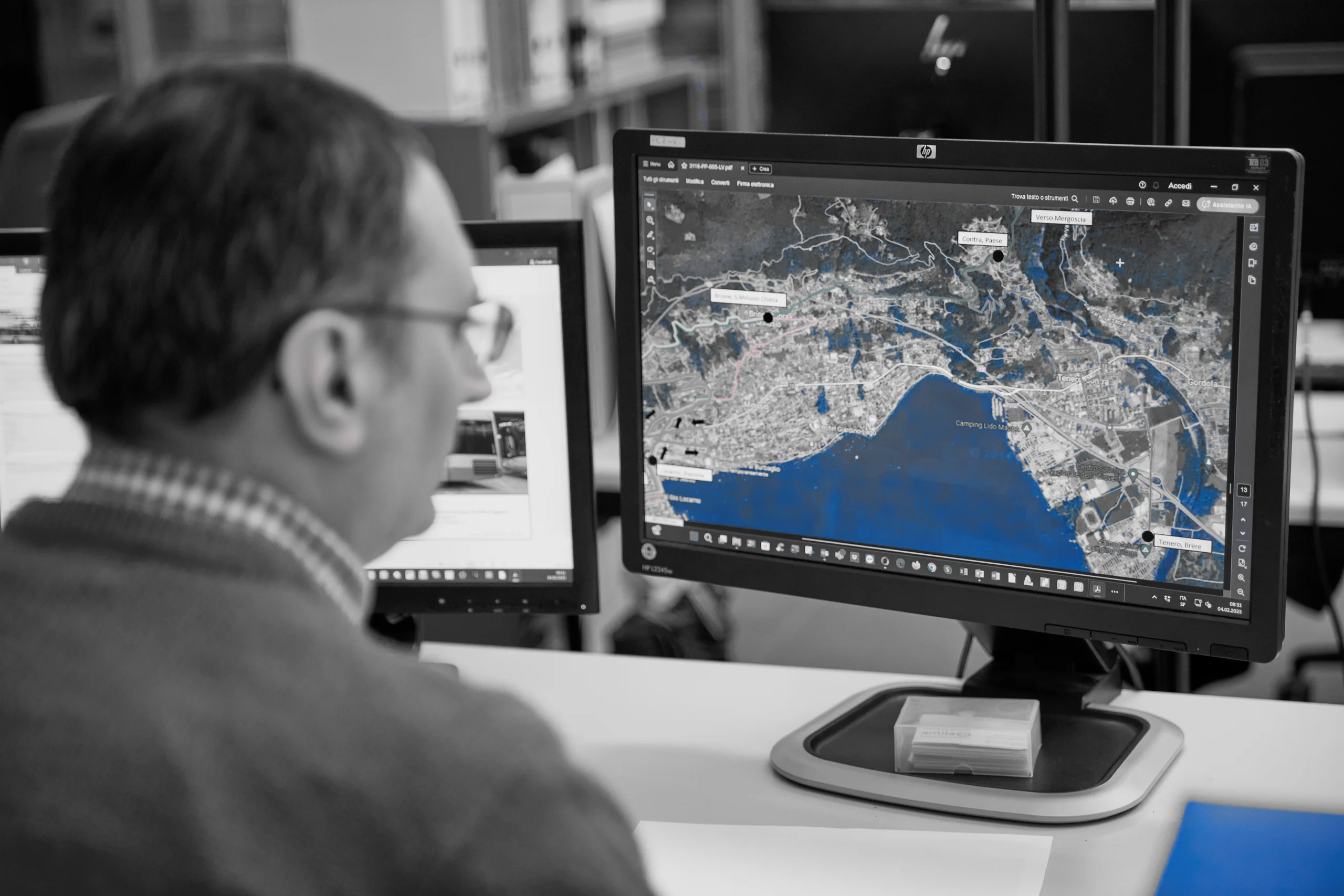
We address all aspects of mobility—from private motorised transport to public transport and active travel (cycling, walking, and micromobility). Our team conducts on-site surveys, performs large-scale and localised traffic analyses, and develops both macro- and microsimulation models.
We specialise in road safety assessments, comprehensive and sector-specific mobility plans (such as cycle infrastructure plans), and the design of traffic-calmed areas, including 30 km/h zones and home zones. Additionally, we plan and optimise traffic signal systems to enhance urban mobility.
References
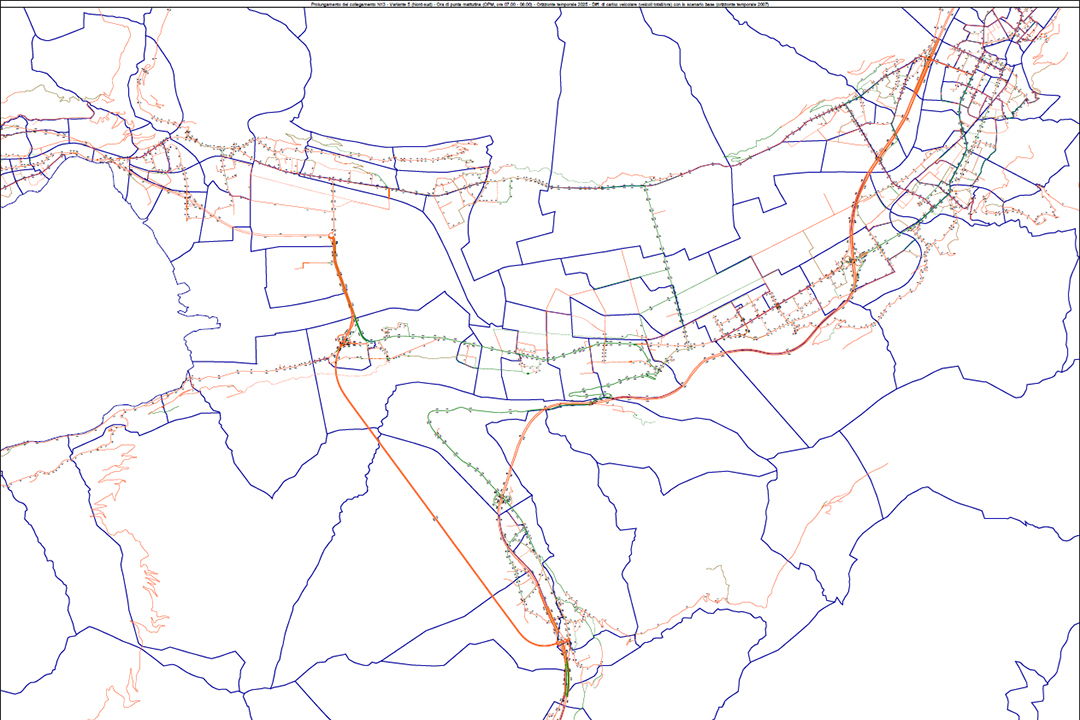
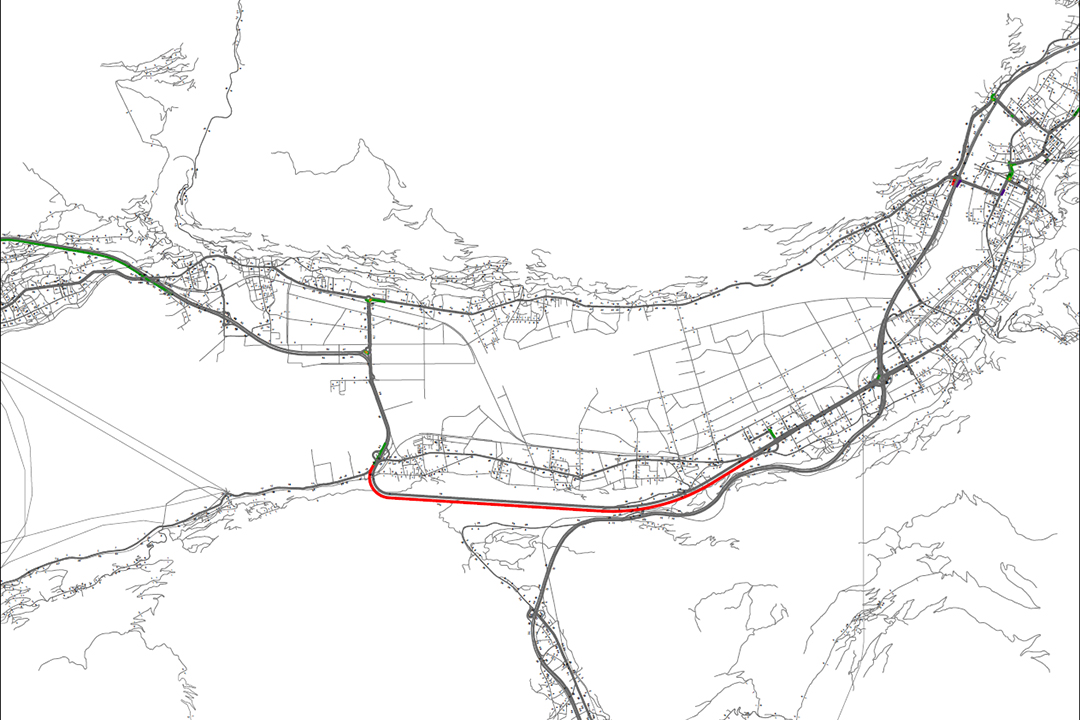
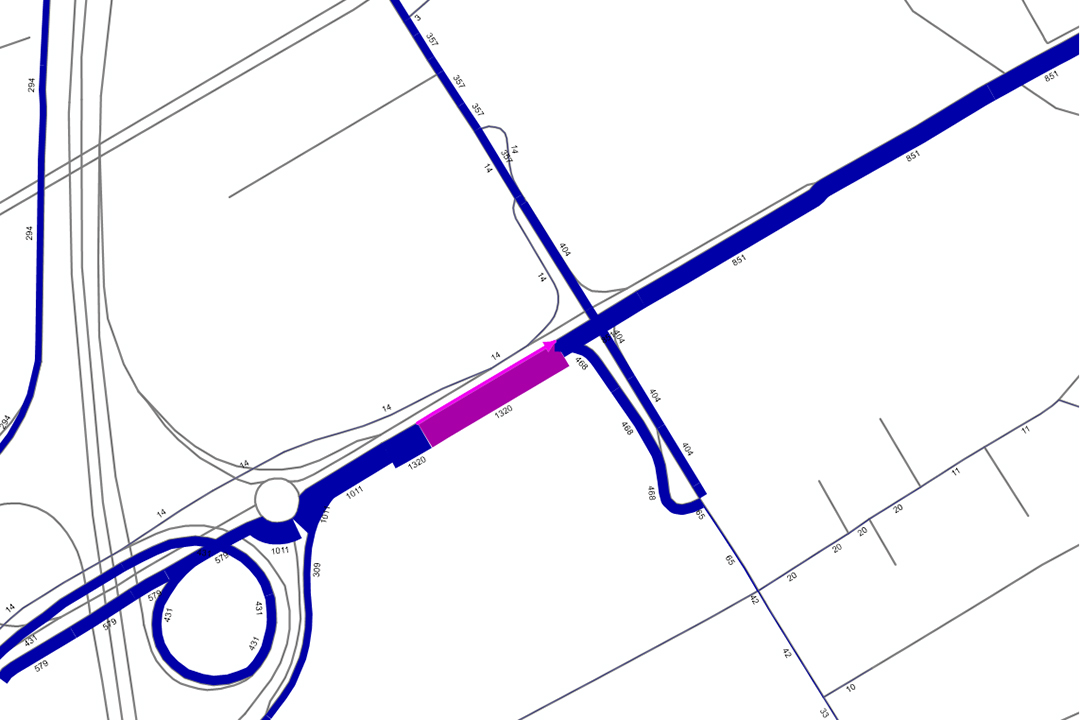
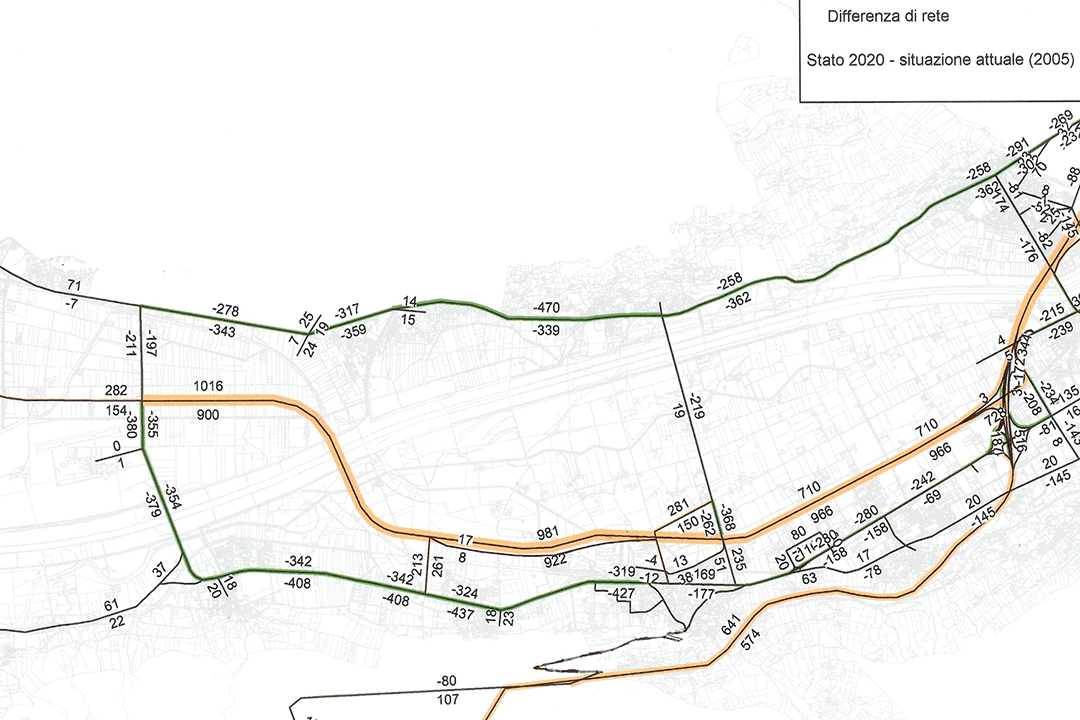
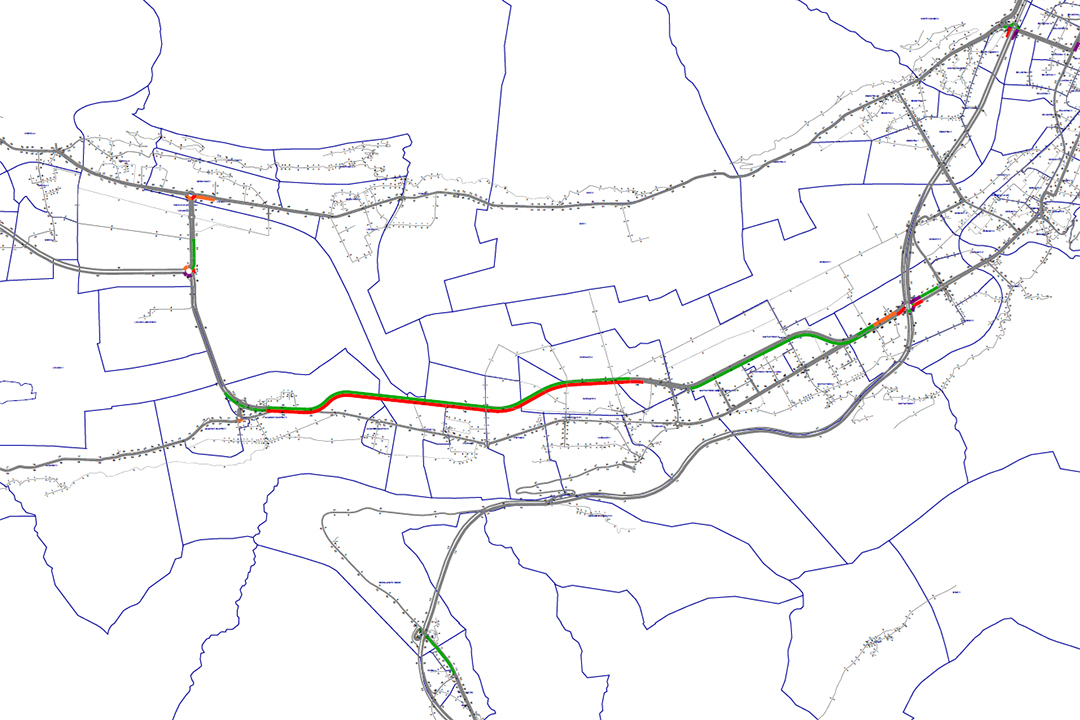
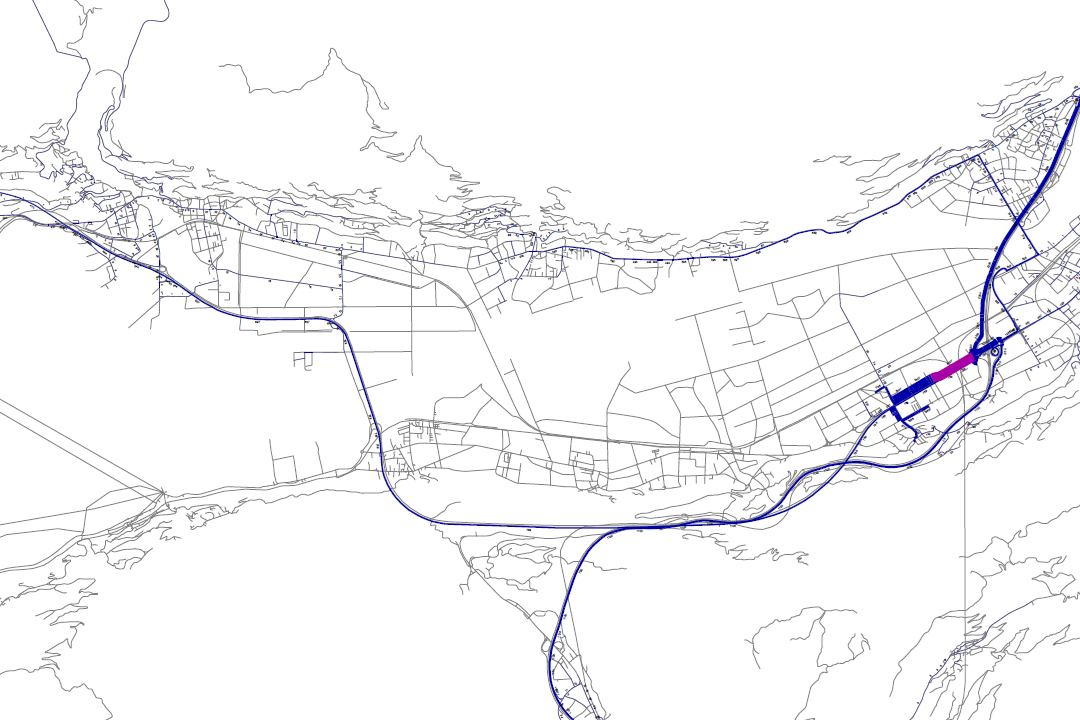
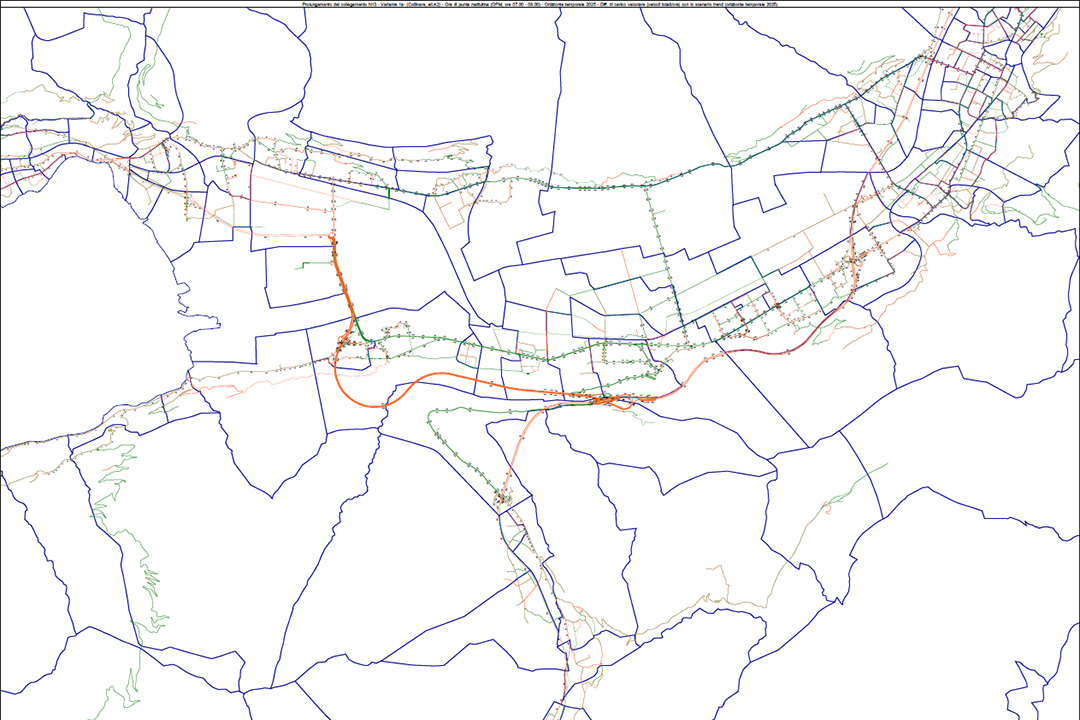
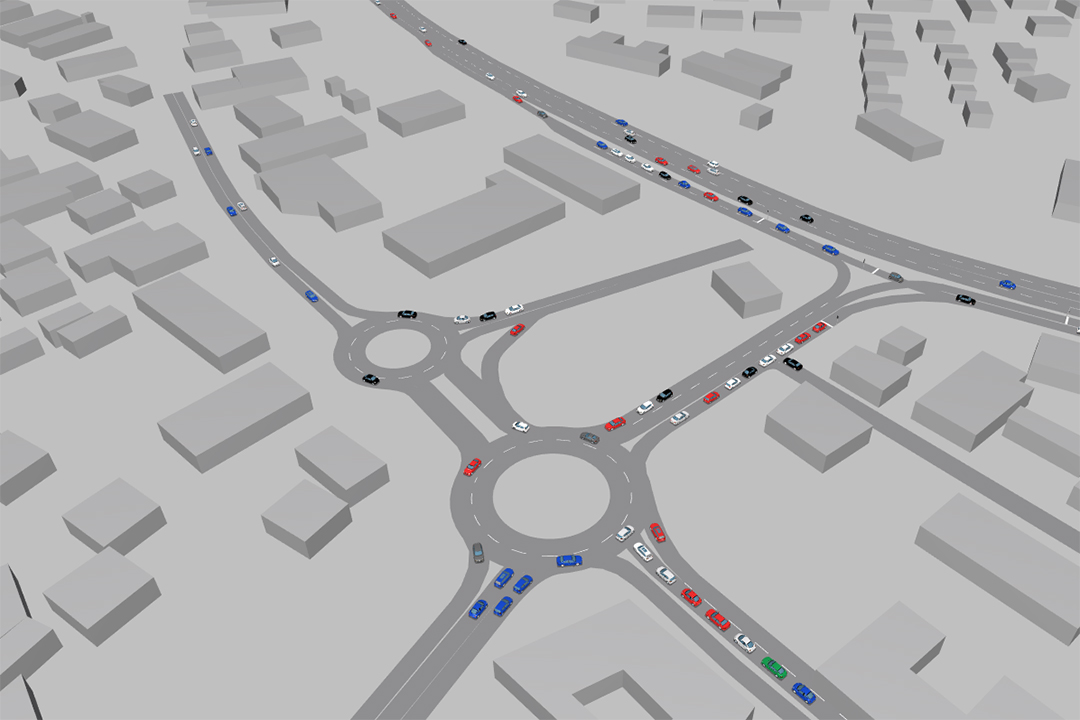
Modelling Simulations for the Completion of the A13 Motorway
Client: Federal Roads Office (FEDRO) – Regional Office 5 (Bellinzona)
The activities involved supporting the design team for the new motorway connection, from the evaluation of route alternatives through to the definition and consolidation of a proposed design solution.
In particular, modelling simulations were carried out using the cantonal macroscopic traffic model, including:
- Implementation of traffic scenarios within the network model;
- Provision of traffic model outputs and performance indicators;
- Supply of model data required for assessing the sustainability of the new motorway link in accordance with federal procedures (WENIS / NISTRA).
Traffic Signal System at A2 Motorway Exit – Chiasso Centro
Client: Republic and Canton of Ticino – Construction Division
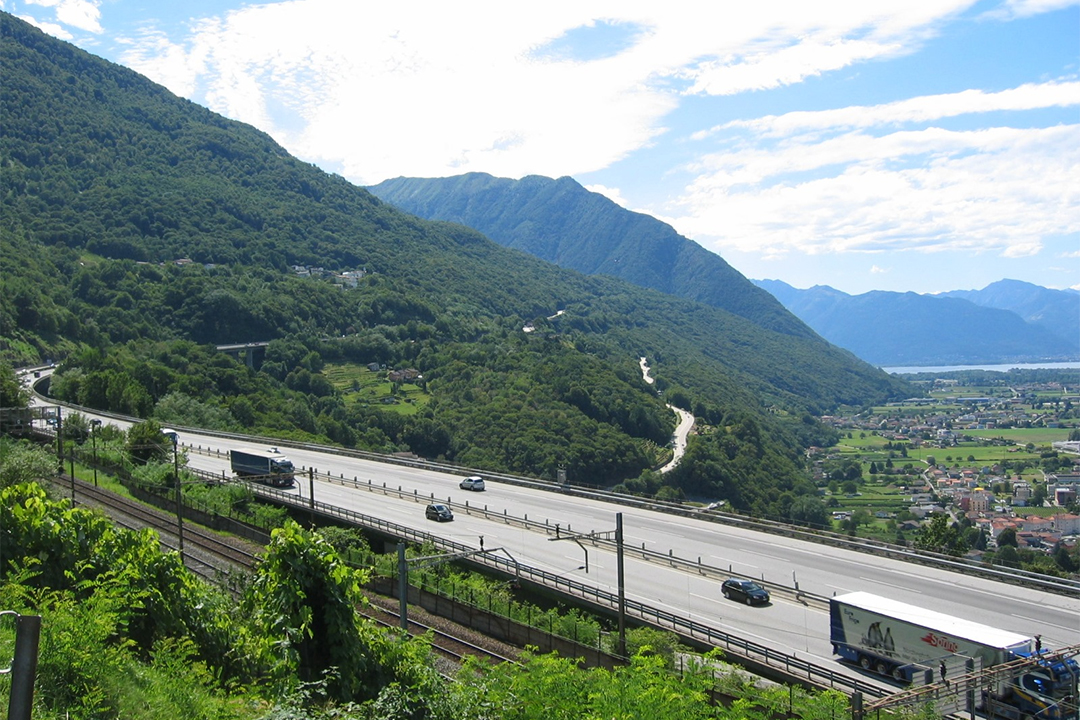
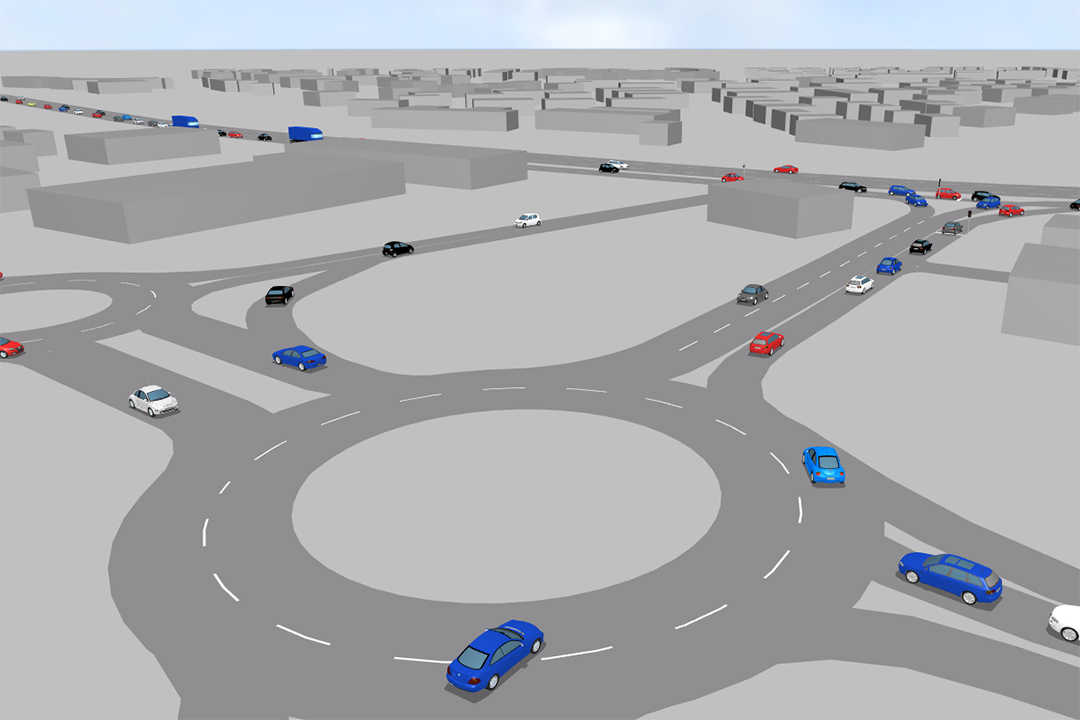
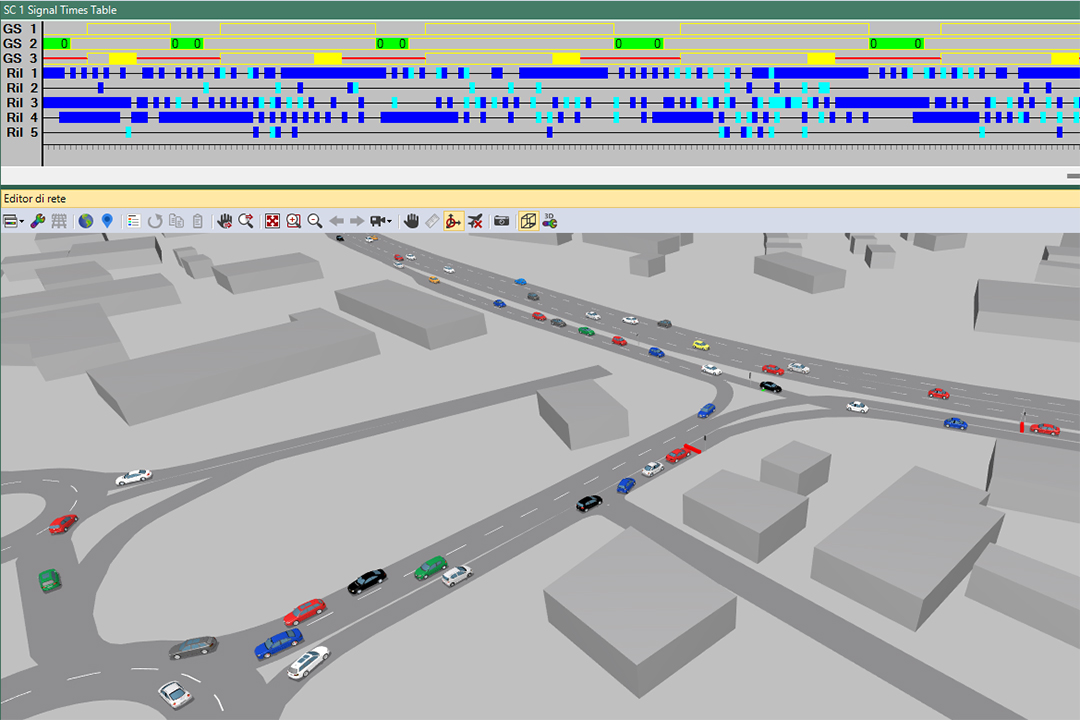
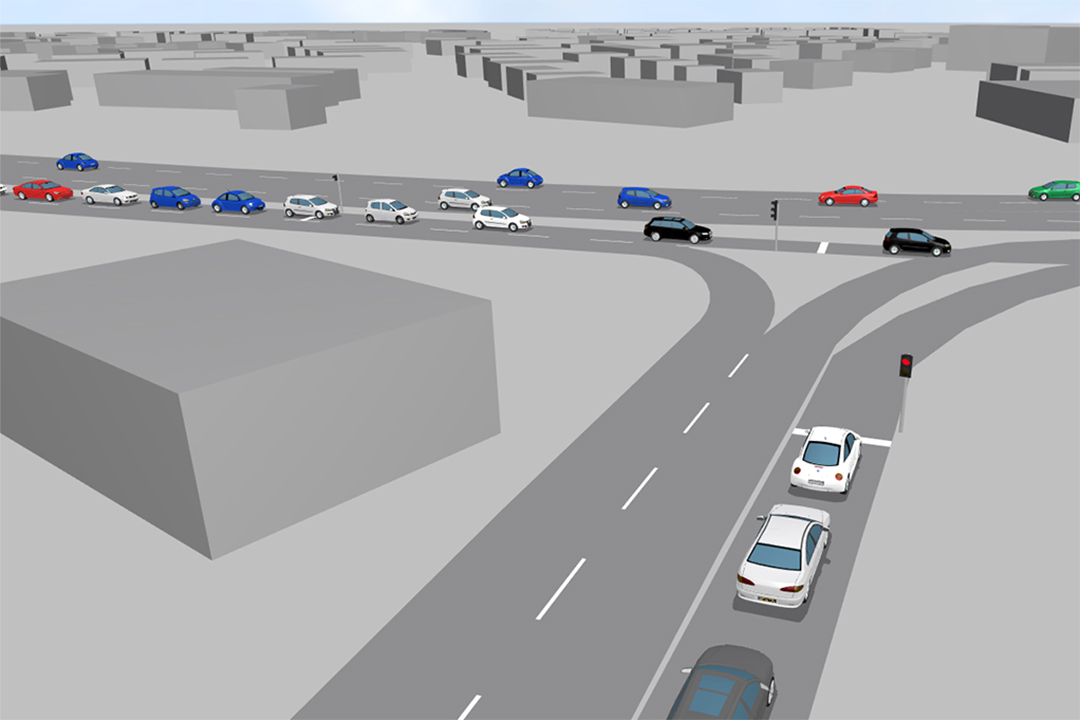
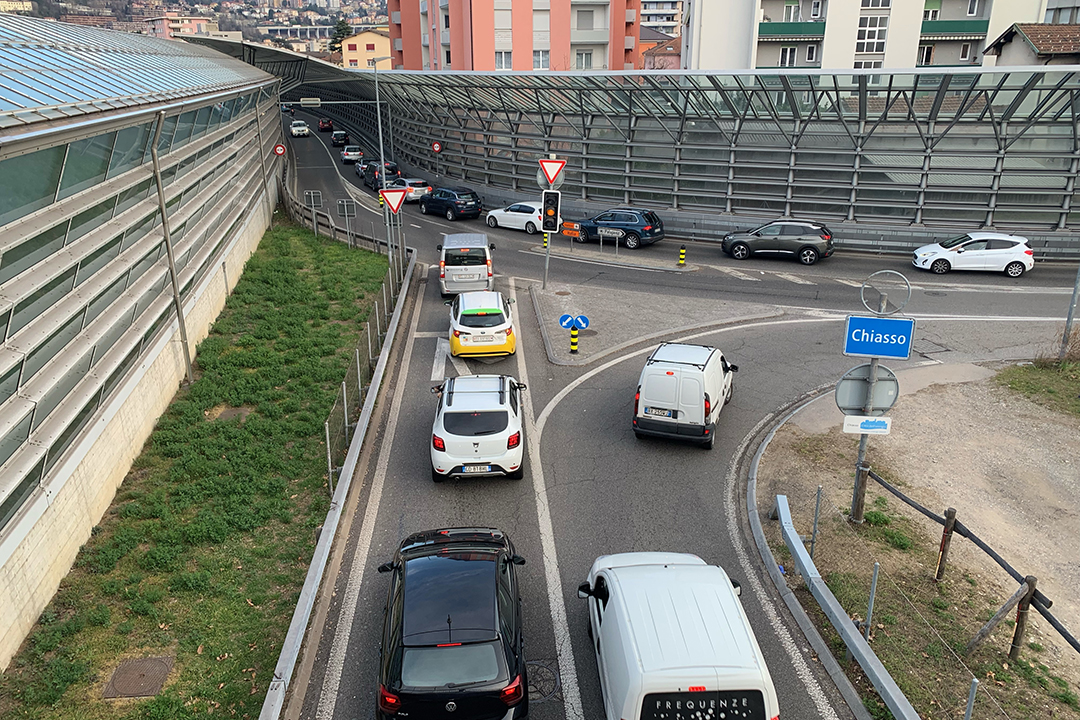
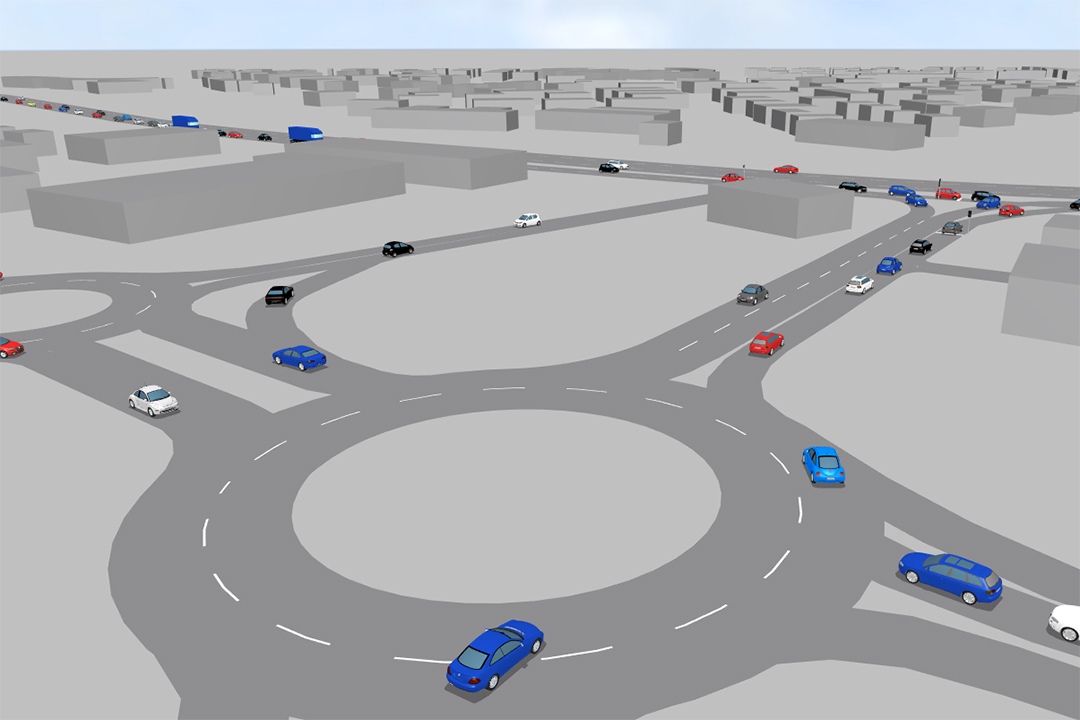
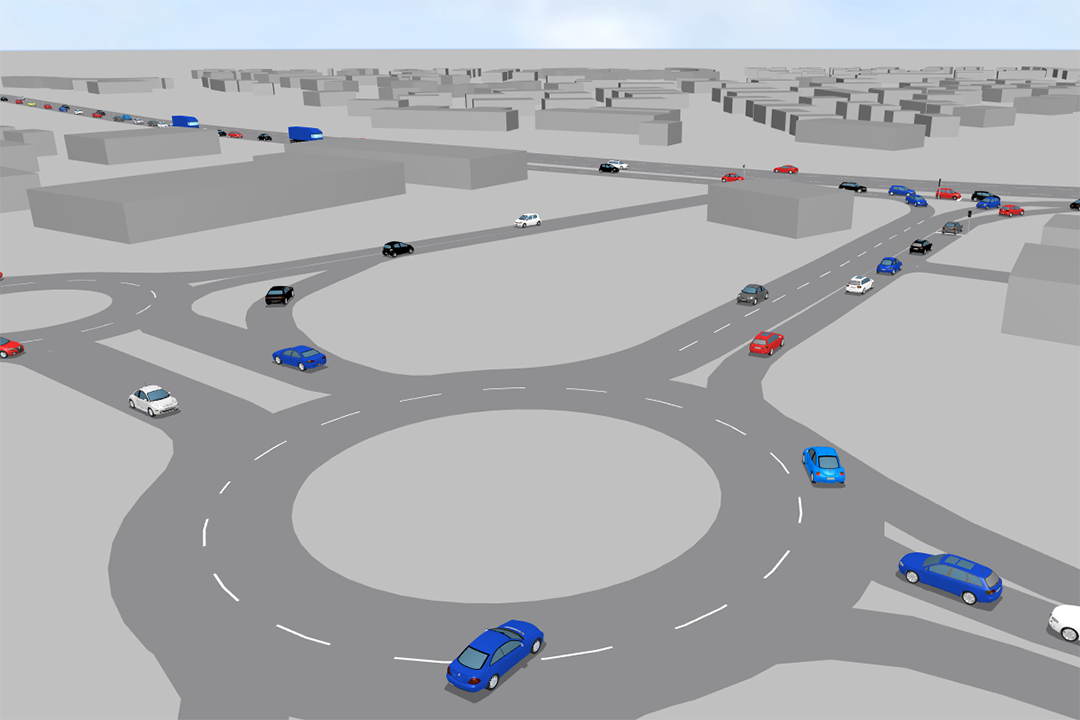
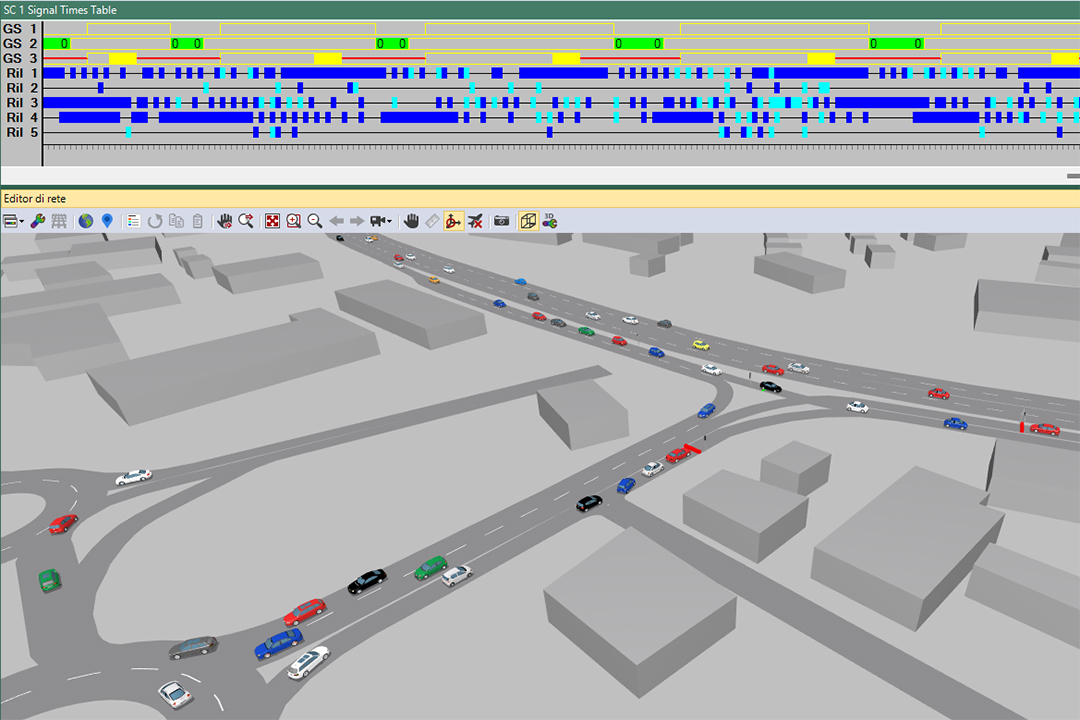
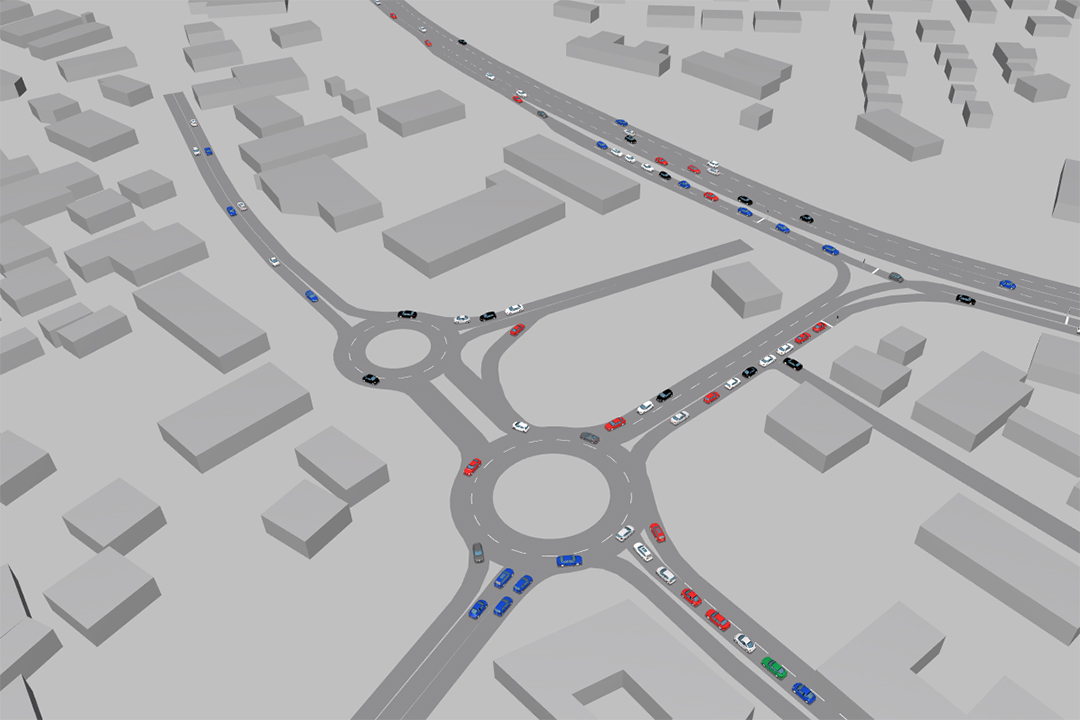
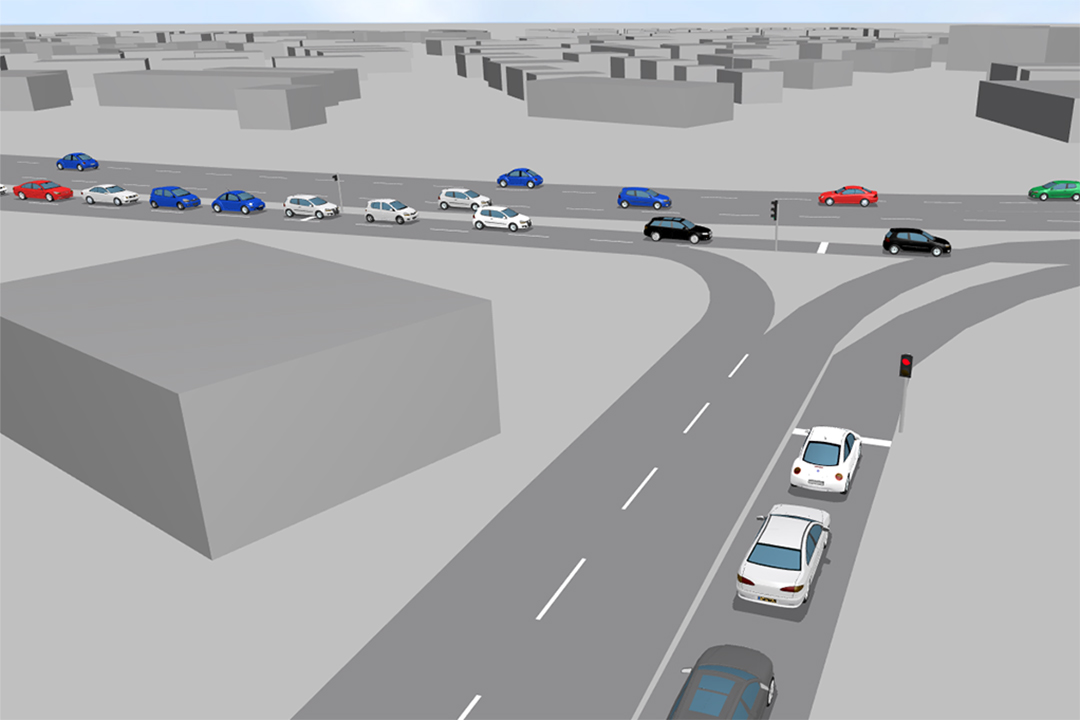
A traffic signal system was implemented at the southbound exit slip road of the A2 motorway at Chiasso Centro to prevent queue formation that could disrupt motorway traffic flow. The assessments led to the development of a signal control strategy, verified through microsimulation modelling.
Key project phases included:
- Processing of vehicle count data for traffic microsimulation modelling;
- Simulation of multiple traffic scenarios;
- Development of electromechanical plans for various design stages and signage;
- Monitoring of signal timing programme functionality.
Cycling Mobility Plan for Collina d’Oro
Client: Municipality of Collina d’Oro
The project, which received co-funding from the S Federal Office of Energy (FOE), enabled the development of a comprehensive Cycling Mobility Plan.
Project phases included:
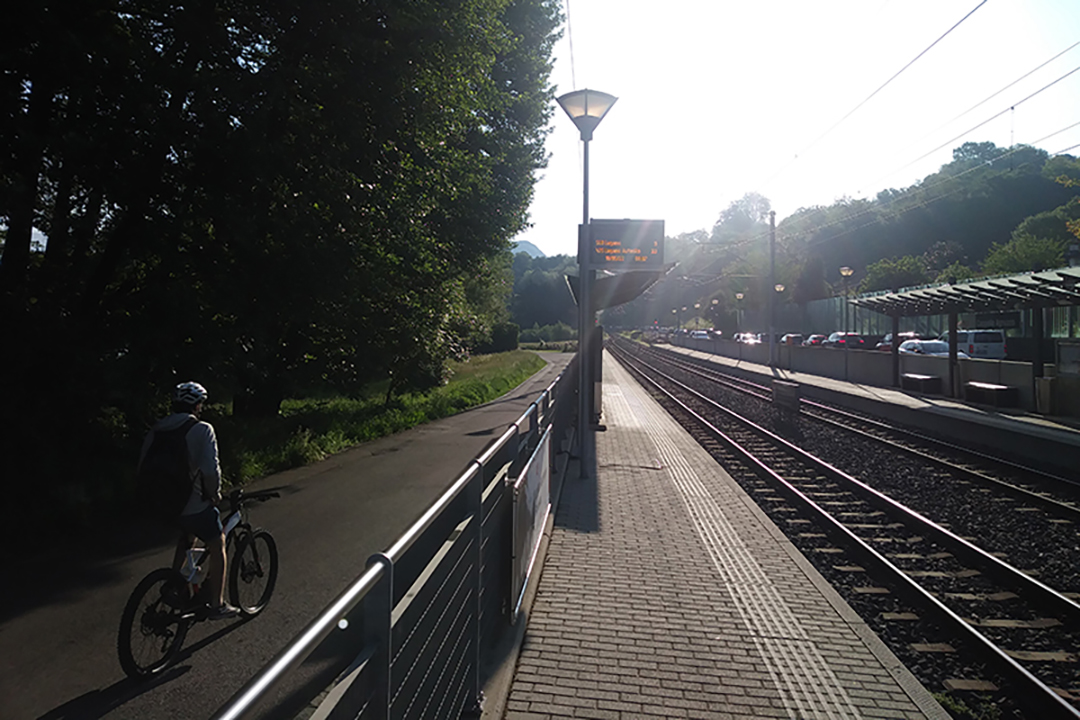
- Surveys of cycle and pedestrian traffic volumes
- Establishment of medium-term cycle mode share targets
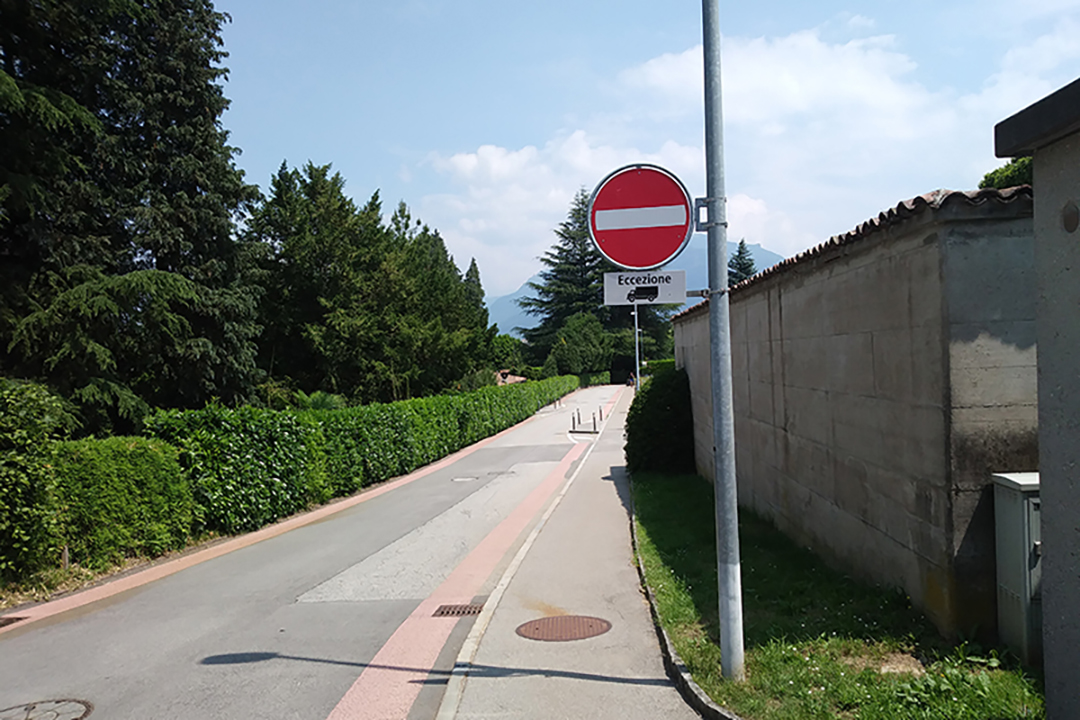
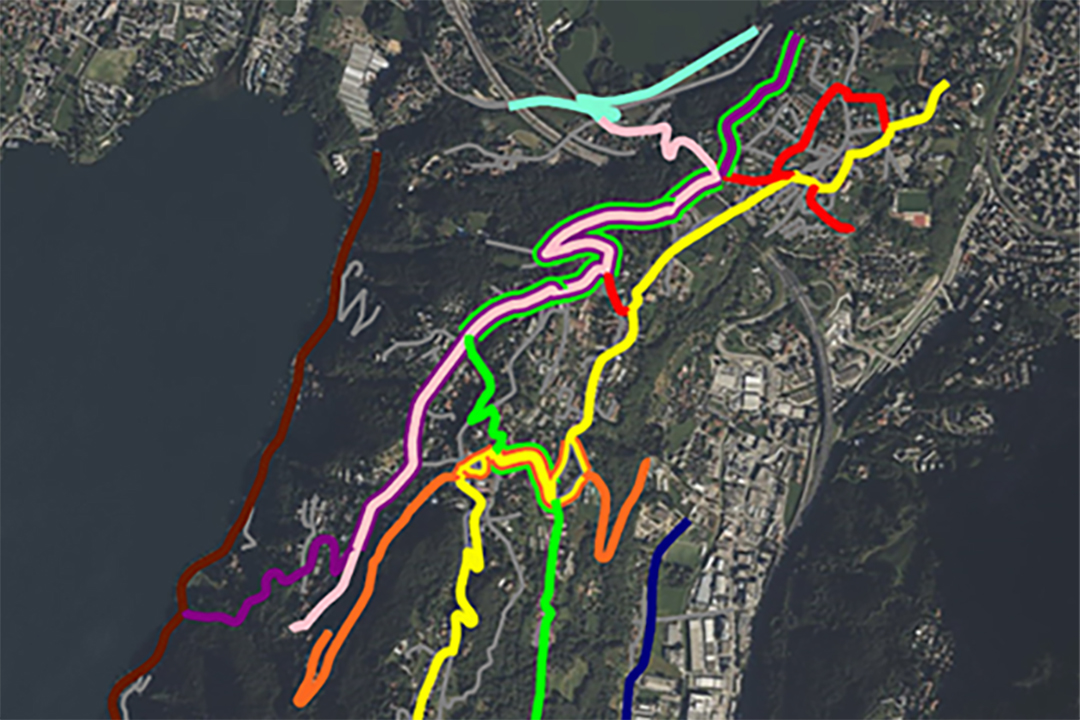
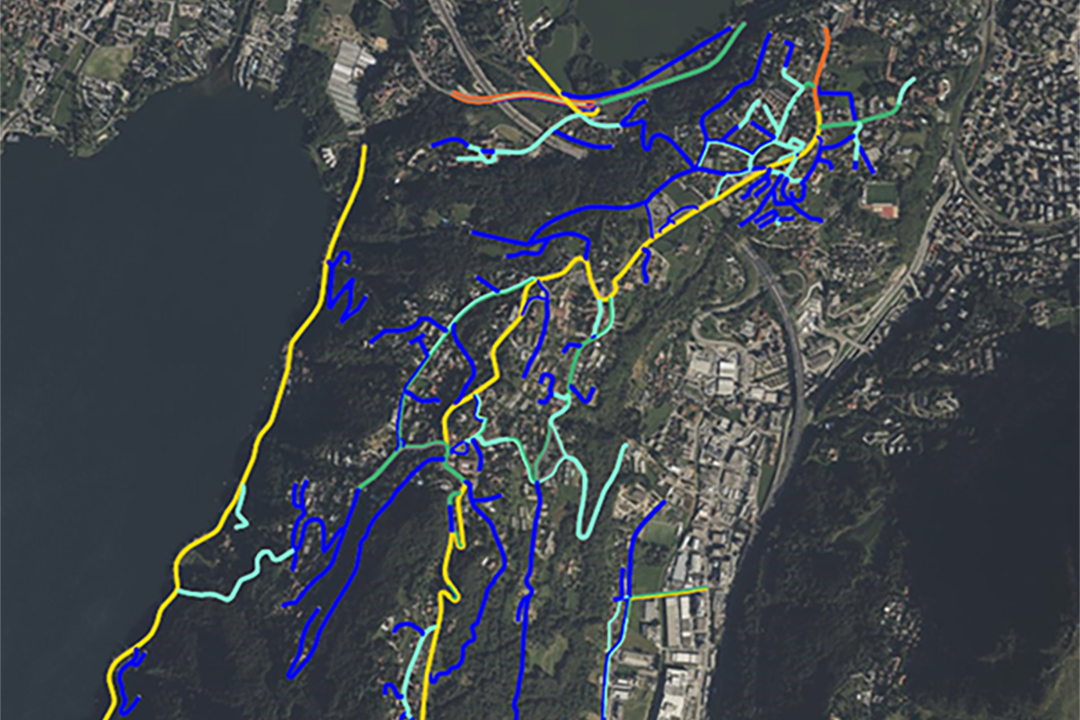
- Identification of the cycle route network
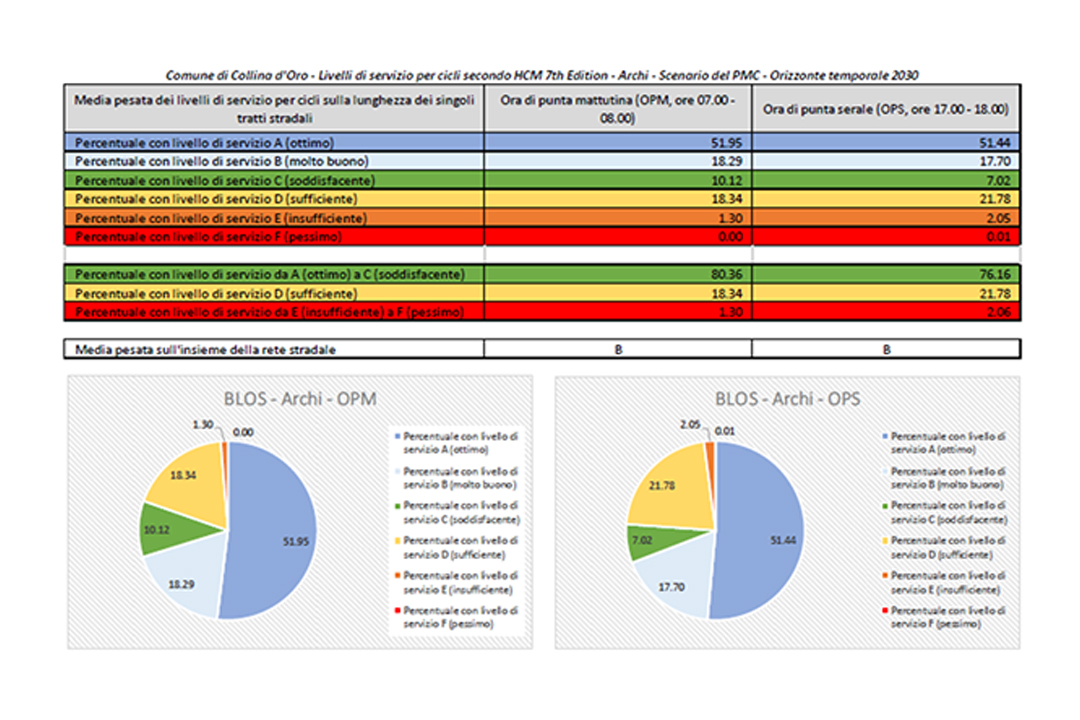
- Development of infrastructure improvements and traffic management measures to promote cycling, and assessment by calculating bicycle level of service (BLOS).
Reorganisation of Bus Services in the Locarnese Area
Client: Republic and Canton of Ticino – Mobility Section
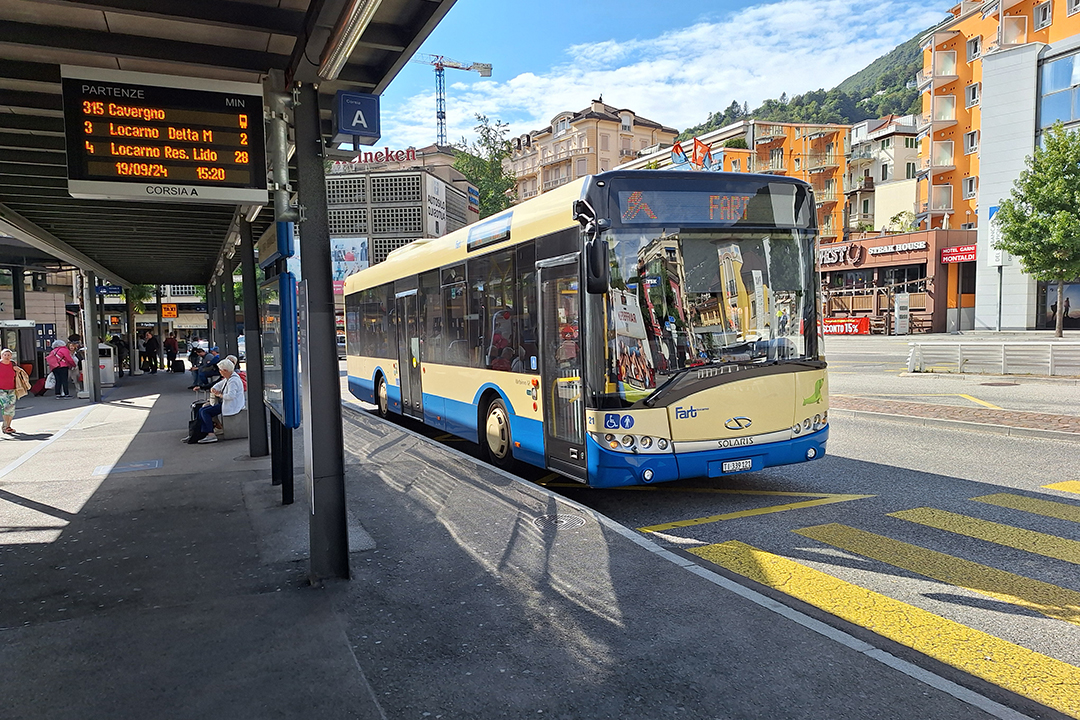
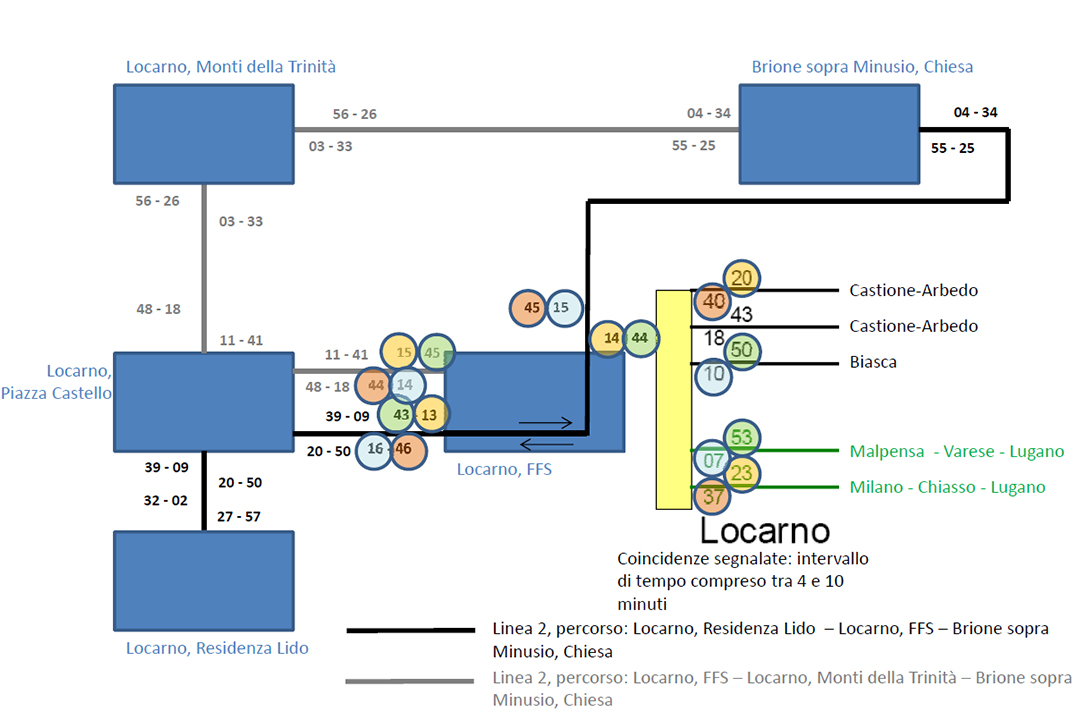
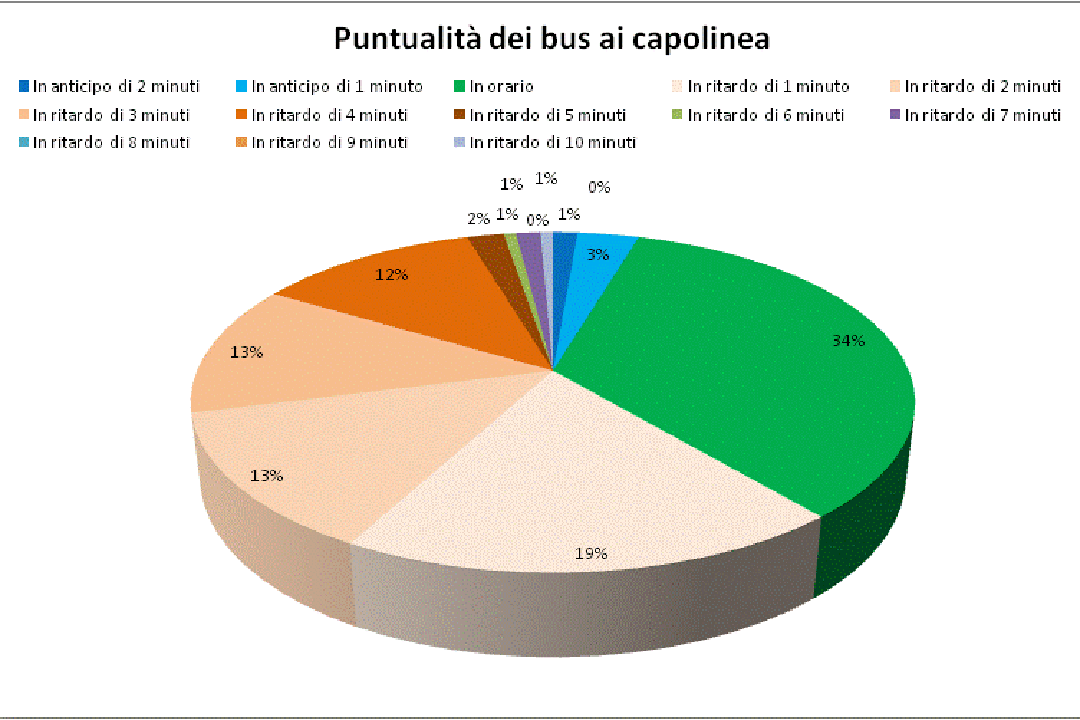
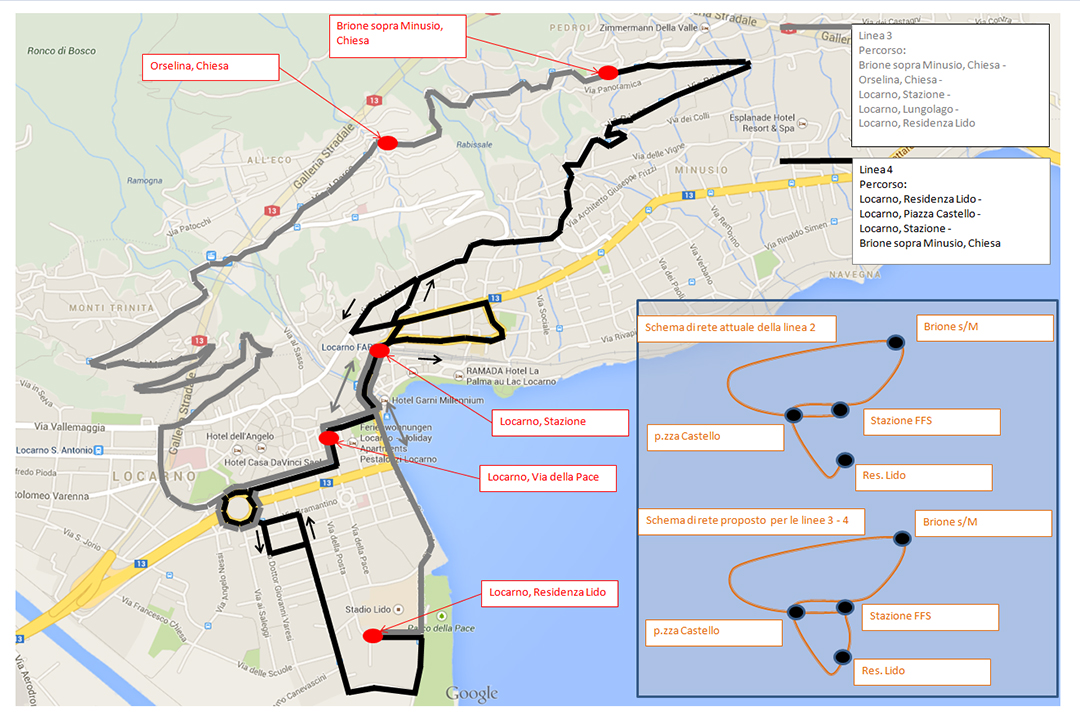
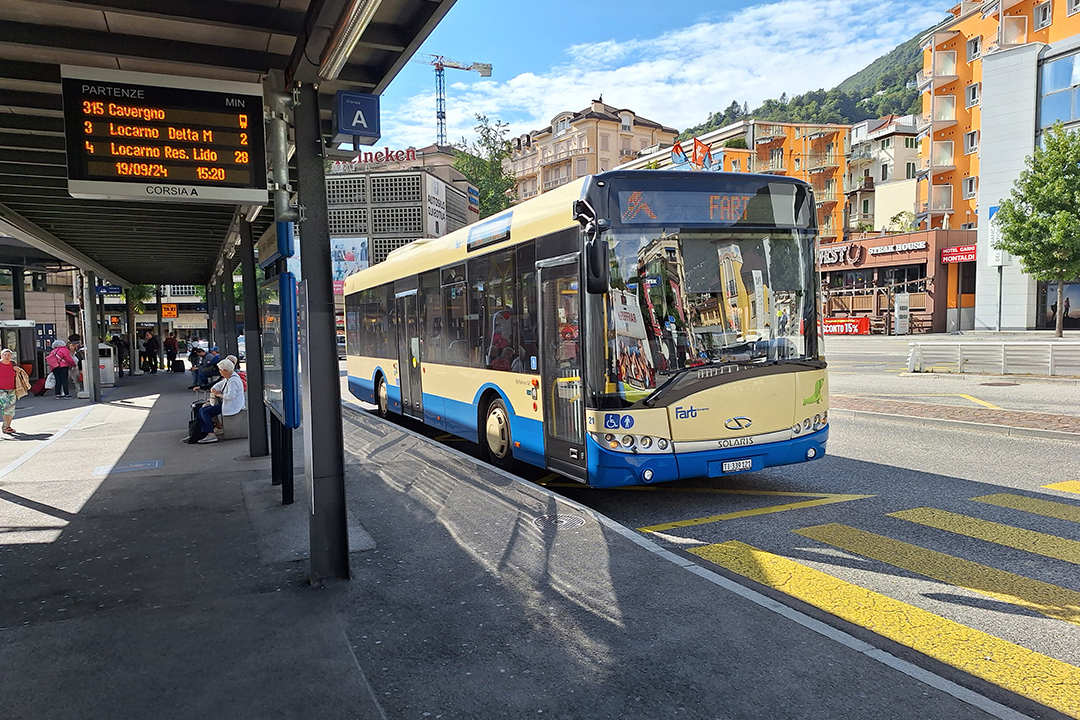
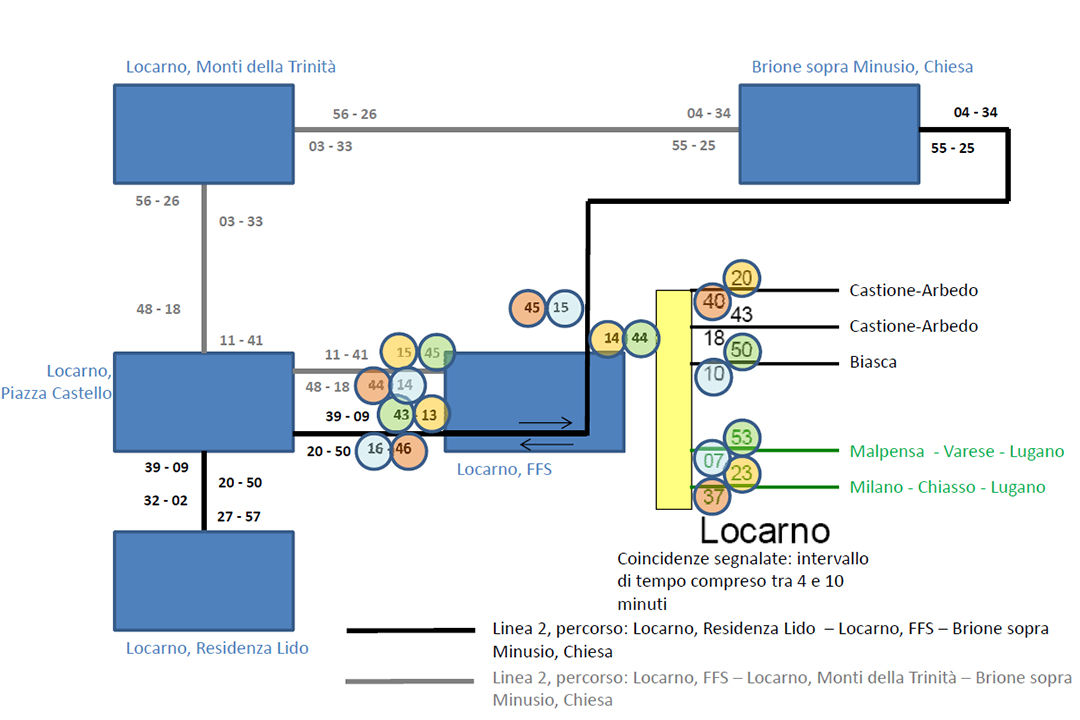
The project activities, carried out in phases over several years, involved most bus routes within the Locarnese urban area, with particular focus on services serving the Collina di Locarno.
Key deliverables included:
- Passenger boarding/alighting counts at individual stops and bus occupancy calculations per service;
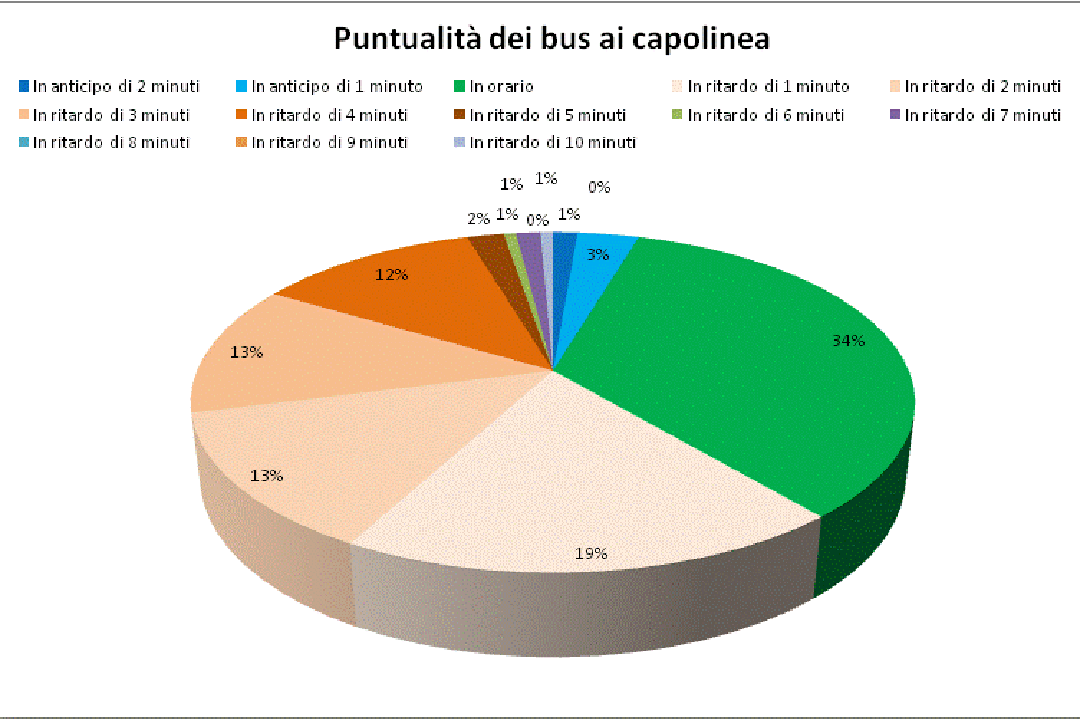
- Analysis of bus delays by service, identifying causes and potential improvement measures;
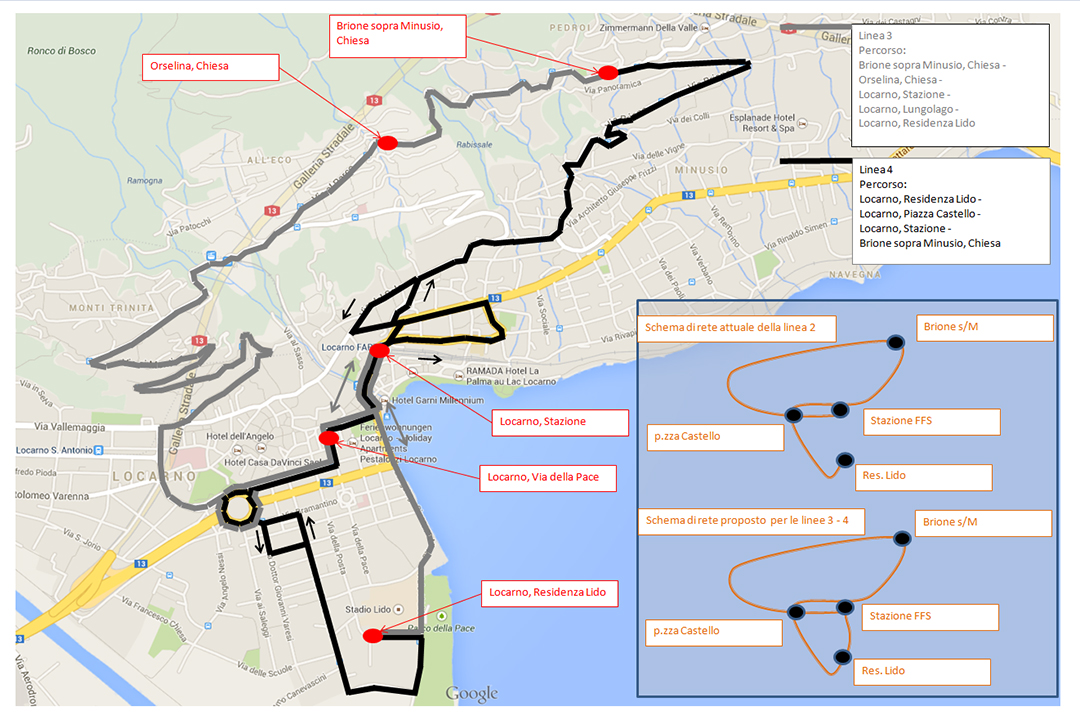
- Feasibility assessment for new bus routes through:
∟ Geometric analysis of proposed alignments
∟ Demand forecasting using macroscopic traffic modelling
∟ Stated Preference (SP) survey to estimate potential ridership - Development of bus network reorganisation proposals, including route adjustments to meet client requirements.
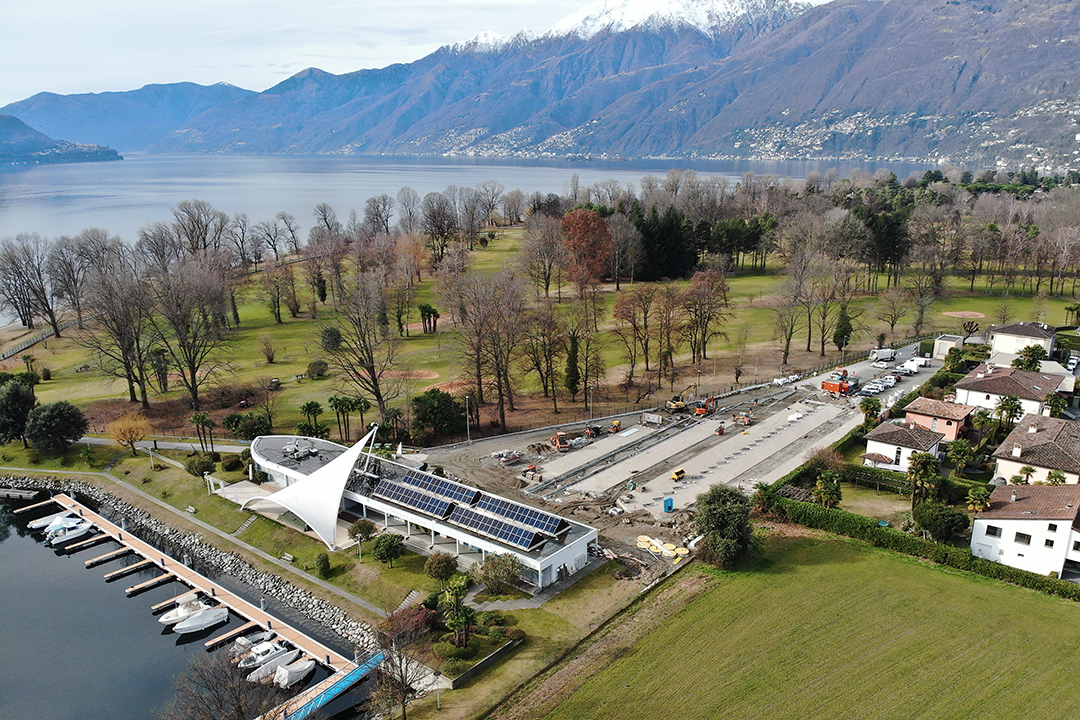
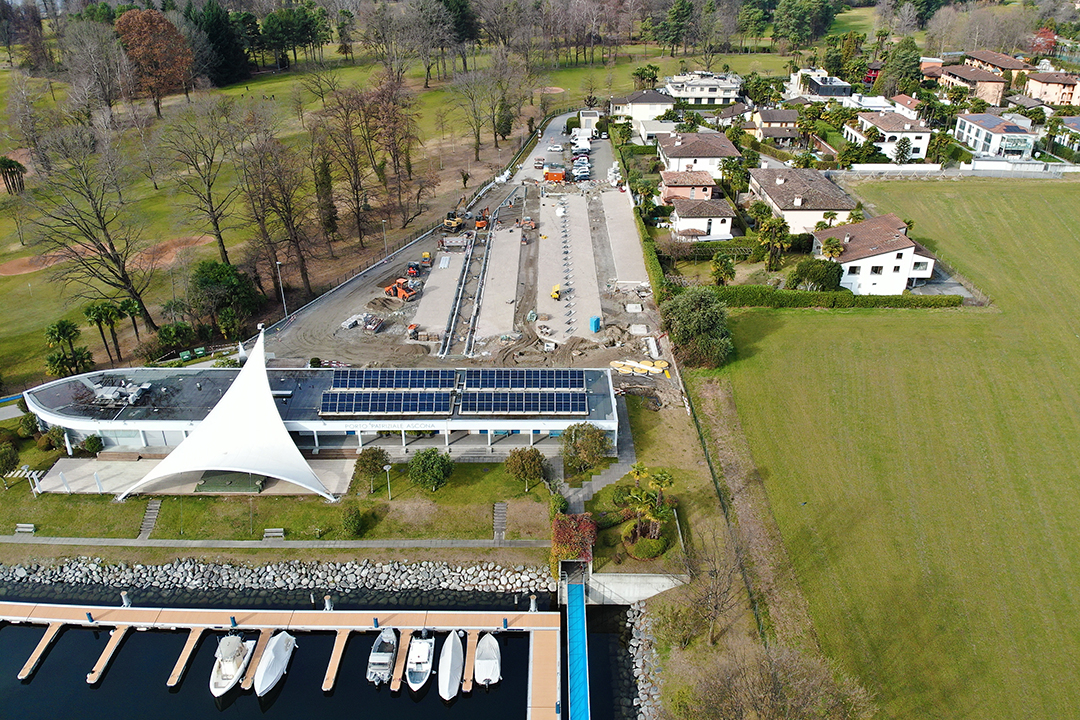
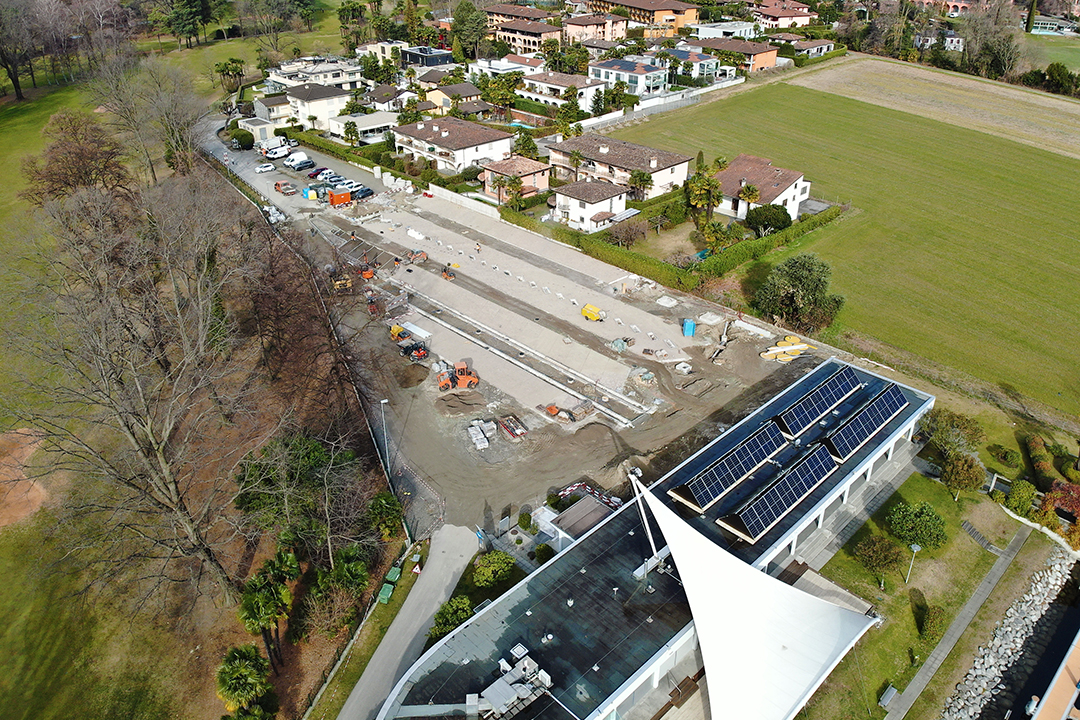
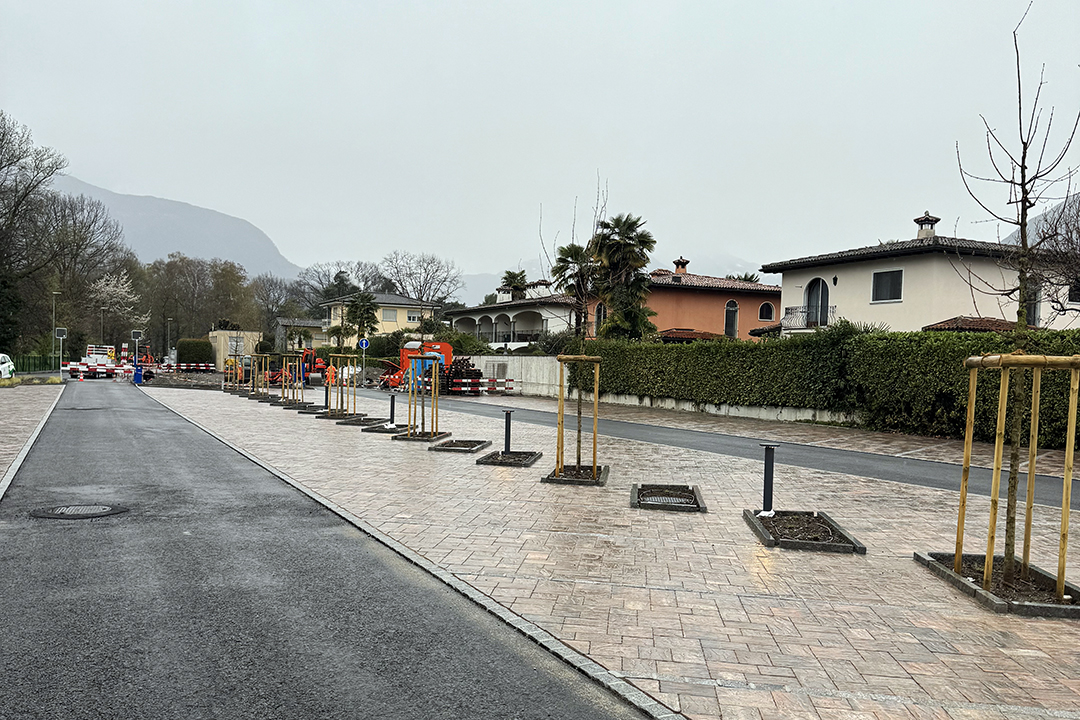
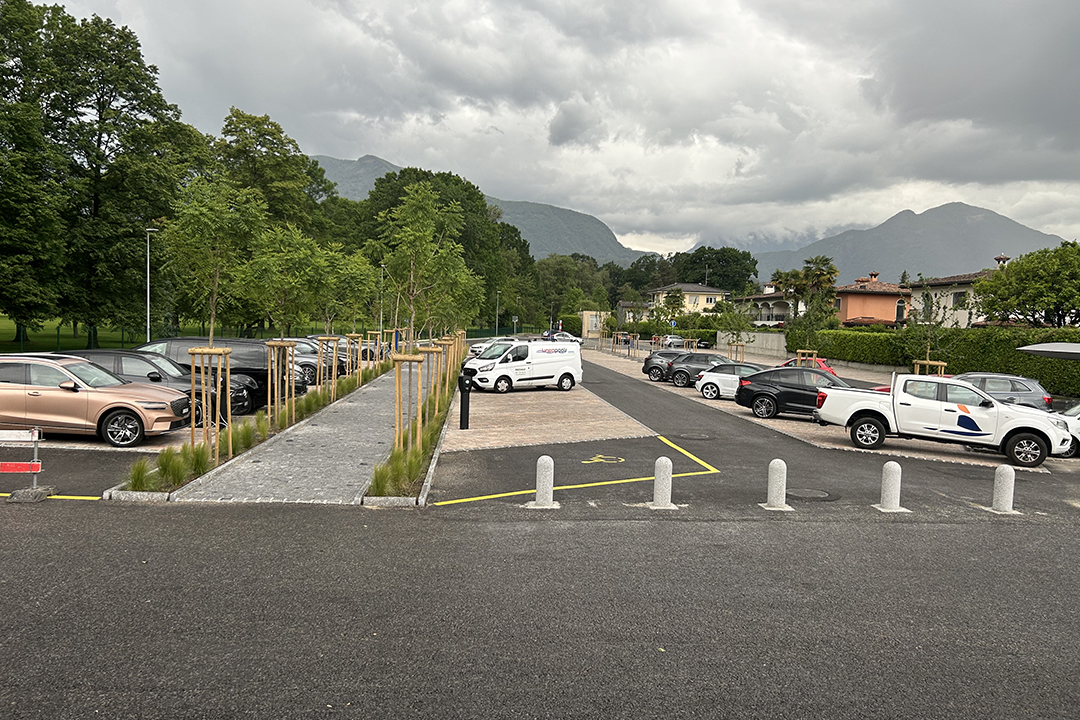
Parking Development at Ascona’s Patrician Harbour
Client: Ascona Patrician Nautical Club
The project commenced with analysis and evaluation of various design options, culminating in the selection – in consultation with the client – of the preferred solution. This was followed by detailed design development, submission of the planning application, and upon receipt of approval, progression through tender to construction phase.
Transport planning activities covered multiple design stages, including:
- Assessment of parking requirements for cars and bicycles;
- Options appraisal for parking area reconfiguration;
- Geometric compliance checks of parking bays and circulation areas against current VSS standards;
- Preparation of horizontal and vertical signage plans for all design stages;
- Cost estimation for signage implementation;
- Construction phase site inspections and quality control.